How Should You Maintain Your Car Paint After Repair Work?
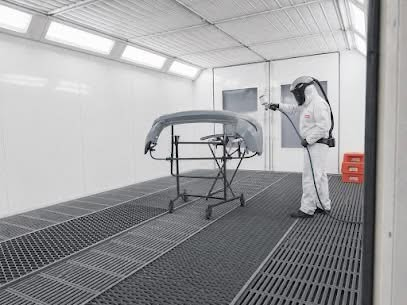
You have just collected your vehicle after a smash repair in Mandurah. The panels are straight, the paint finish looks flawless, and your car is back to its pre-accident condition. Now comes the part many vehicle owners overlook: how to care for freshly repaired paintwork without compromising the quality of the repair.
A professionally applied 2K clear coat needs time to fully cure before it can withstand normal washing routines, waxing, polishing, or prolonged exposure to harsh environmental conditions. In Australia, where UV levels and summer temperatures are among the highest in the world, the way you care for your vehicle during the first 30 days after a repair can significantly impact the longevity of the finish.
Whether your vehicle has undergone a minor paint correction or a major smash repair, following the right aftercare practices helps protect the colour, gloss, and durability of the new paintwork for years to come.
What Should You Do in the First 30 Days After a Paint Repair?
The most important post-repair car paint care tips are all governed by the curing window. According to CARSTAR, even a professionally baked 2K clear coat is not at full hardness on day one. Painted OEM Parts confirms this is the most critical period for any repair, and the one where most damage happens through avoidable mistakes.
| Timeframe | Safe to Do | Avoid |
|---|---|---|
| Days 1–3 | Keep in shade or garage. Remove bird droppings and tree sap immediately with a damp microfibre, no scrubbing. | Washing, touching the panel, automatic car washes, parking under trees. |
| Days 4–14 | Gentle hand wash only: pH-neutral shampoo, microfibre mitt, top-down technique, low-pressure rinse, pat dry. | Pressure washers, automatic car washes, dish soap, waxing, and polishing. |
| Days 15–30 | Regular hand washing. Inspect the repair in direct sunlight, call your shop immediately if anything looks off. | Waxing, abrasive compounds, commercial car wash brushes, and pressure washers near the panel. |
| Day 30+ | Begin waxing with carnauba wax or paint sealant. Reapply every 3–4 months for ongoing protection. | Skipping wax altogether without a protective layer, UV, and contaminants work directly on the clear coat. |
What Environmental Threats Damage Car Paint After a Panel Repair?
Once the curing period closes, car paint protection after panel repair becomes about managing the threats that degrade a finish over time. In Australia, these four cause the most damage and all four are preventable:
| Threat | What It Does | How to Respond |
|---|---|---|
| UV exposure | Breaks down clear coat, causing fading and oxidation. Australia’s UV index is among the highest in the world. | Park in shade or garage where possible. Apply UV-protective wax after 30 days; reapply every 3–4 months. |
| Bird droppings | pH 3.5–4.5 begins etching the clear coat within hours on a hot panel. Heat accelerates the acid reaction significantly. | Lay a damp microfibre on the spot for 2 minutes to soften, then wipe gently. Never scrub dried droppings. |
| Tree sap and resin | Oxidises and bonds to warm paint, hardening under UV. Even ceramic-coated cars are not immune if sap sits for weeks. | Use a diluted IPA mix or dedicated sap remover, not fingernails, not abrasive cloths. |
| Automatic car washes and hard water | Brushes cause micro-scratches in the clear coat. Hard water mineral deposits etch the surface when left to dry. | Hand wash only with microfibre mitt and pH-neutral shampoo. Dry with a clean microfibre towel, never air dry. |
What Mistakes Do Most People Make After a Car Paint Repair?
Most post-repair paint damage comes from well-intentioned actions taken at the wrong time. These are the five most common issues with car paint maintenance after repair:
- Waxing before 30 days: Traps outgassing solvents in the fresh clear coat, preventing full cure and causing hazing or adhesion failure.
- Dish soap or household cleaners: Formulated to strip grease and wax the opposite of what fresh paint needs. Use only a dedicated pH-neutral car shampoo.
- High-pressure washing near the repair: Forces water into panel edges and body seams before the clear coat has reached full hardness.
- Dry wiping dust off the panel: Even a clean microfibre causes micro-scratches on the uncured clear coat. Always rinse first.
- Parking under trees during the curing period: Sap, pollen, and bird activity are the most consistent environmental risks in the first 30 days. Indoor or undercover parking avoids all three at once.
How Does Calmack Support You After Your Repair Is Done?
Post-repair care instructions are part of every job at Calmack Panel & Paint, not something handed over as a photocopied sheet at the counter. Every customer leaves the workshop briefed on the curing timeline, so the work done in the shop is not undone in the first fortnight at home.
The smash repairs team at Calmack uses PPG Global Refinishers paint and a fully downdraft baking oven on every repair, private and insurance jobs alike, giving the clear coat the strongest possible foundation before your car leaves the workshop.
If your repair was covered by insurance and you are unsure what your policy actually entitles you to, the private car repair insurance page explains the full process. Calmack works with every Australian insurer and handles the paperwork alongside the repair. Request a free quote today a dedicated estimator will respond within one business day.
Closing Thoughts
A quality panel repair is worth protecting. The rules for car paint maintenance after repair are not complicated, but they are time-sensitive: no washing for the first few days, gentle hand washing through the first month, nothing stronger than a microfibre on fresh paint, 30 days before any wax goes on, and bird droppings or sap dealt with immediately rather than later.
Get the first 30 days right, and a professionally repaired panel will hold its colour and gloss for years. Get it wrong, and no amount of future polishing will fully reverse the damage. If your car needs panel or paint work anywhere in Mandurah or the Peel region, contact Calmack Panel & Paint for a free quote. Four free loan cars mean your routine is not disrupted while the work is done, and a written quote lands within one business day.
FAQ
How should car paint be maintained after repair work for long-lasting results?
Follow the 30-day curing timeline: no washing for 72 hours, gentle hand washing from day 4 with pH-neutral shampoo and microfibre, no waxing until day 30, and remove bird droppings and tree sap immediately. Park in shade or indoors wherever possible during the curing period.
What are the best post-repair car paint care tips to follow?
Use a dedicated pH-neutral car shampoo, never dish soap. Wash with a microfibre mitt using a top-down technique and rinse with low pressure. Dry immediately with a clean microfibre towel. After 30 days, apply a carnauba wax or paint sealant and reapply every 3–4 months.
When is it safe to wash and wax a car after paint repair?
Gentle hand washing is safe from around day 4. Waxing must wait at least 30 days. Applying wax earlier traps solvents still outgassing from the clear coat, which prevents full cure and can cause hazing or adhesion issues.
How can car paint be protected after panel repair work?
Apply a UV-protective wax or paint sealant after the 30-day curing period and reapply every 3–4 months. Park in shade, remove contaminants the moment you spot them, and hand-wash with appropriate products regularly. Avoid automatic car washes long-term.
What mistakes should be avoided after car paint repair?
The five most damaging waxing before 30 days, using dish soap or household cleaners, high-pressure washing near the repaired panel, dry wiping dust without rinsing first, and parking under trees during the curing period.